
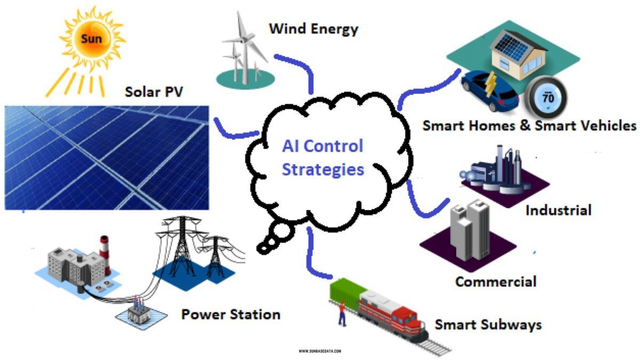
Solar Power Is Entering a Smarter Era
Solar energy has changed dramatically over the past decade. In the early days, installing panels was enough to reduce electricity bills. However, modern solar systems now rely on intelligent technology to manage power efficiently.
At the centre of this evolution are smart inverters. Instead of acting as passive devices, they actively analyse, adjust, and optimise energy use. As a result, solar power is becoming more reliable, flexible, and valuable for homeowners.
What Is a Smart Inverter?
A standard inverter converts direct current (DC) from solar panels into alternating current (AC) for household use. A smart inverter, however, goes much further.
In addition to power conversion, smart inverters:
- Monitor real-time energy production and usage
- Communicate continuously with the electricity grid
- Adjust output automatically based on conditions
- Integrate with batteries and electric vehicles
Because of these capabilities, smart inverters allow solar systems to operate dynamically rather than at fixed settings.
How AI Transforms Solar Energy Management
Artificial intelligence plays a crucial role in modern smart inverters. By processing large amounts of data, AI enables faster and more accurate decision-making.
For example, AI-powered smart inverters can predict household energy demand based on past usage. At the same time, they analyse weather forecasts to anticipate solar production. Consequently, energy is directed where it is needed most.
Moreover, AI helps reduce energy waste by limiting unnecessary grid imports. As a result, homeowners benefit from higher self-consumption and lower electricity costs.
Improving Grid Stability With Smart Inverters
As solar adoption increases, electricity grids face new challenges. Solar generation fluctuates throughout the day, which can strain traditional networks. However, smart inverters are specifically designed to manage this issue.
They contribute to grid stability by:
- Regulating voltage levels
- Controlling frequency response
- Supporting two-way energy flow
- Reacting instantly to grid disturbances
Accordingly, energy authorities strongly support smart inverter technology. In Australia, guidance and industry insights are provided by Smart Energy Australia. You can explore more at:
👉 https://www.smartenergy.org.au/
Why Smart Inverters Matter for Homeowners
From a homeowner’s perspective, the benefits are clear. Firstly, smart inverters improve everyday energy efficiency. Instead of exporting excess power blindly, systems make informed decisions about when to store, use, or export electricity.
Secondly, smart inverters prepare homes for future technologies. Batteries, EV chargers, and time-of-use tariffs all rely on intelligent energy control. Therefore, choosing a smart inverter protects long-term system value.
In addition, many energy networks now require smart inverter functionality. Consequently, installing outdated inverter technology can limit grid connection options.
Preparing Solar Systems for 2026 and Beyond
Energy markets are changing rapidly. Dynamic pricing, virtual power plants, and smart grids are becoming increasingly common. Because of this, solar systems must be flexible and upgrade-ready.
Smart inverters support this transition by allowing:
- Remote software updates
- Continuous performance monitoring
- Integration with smart home platforms
- Compatibility with future energy services
As a result, homeowners avoid costly replacements and benefit from long-term adaptability.
Choosing the Right Smart Inverter
Not all smart inverters offer the same features. Therefore, selecting the right system depends on several factors.
Key considerations include:
- Battery and EV compatibility
- Compliance with local grid standards
- Monitoring and control features
- Manufacturer reliability and support
For this reason, professional advice is highly recommended. If you are planning a solar installation or upgrade, you can compare options and request tailored quotes here:
👉 https://quotes.solarproof.com.au/request-solar-quotes/
Final Thoughts
Overall, the rise of smart inverters represents a major shift in how solar energy is managed. By combining AI-driven intelligence with real-time grid communication, these systems deliver better efficiency, stability, and flexibility.
In the coming years, smart inverters will no longer be an optional upgrade. Instead, they will form the backbone of modern solar power systems. For homeowners looking ahead to 2026 and beyond, investing in a smart inverter means investing in a smarter, more resilient energy future.